
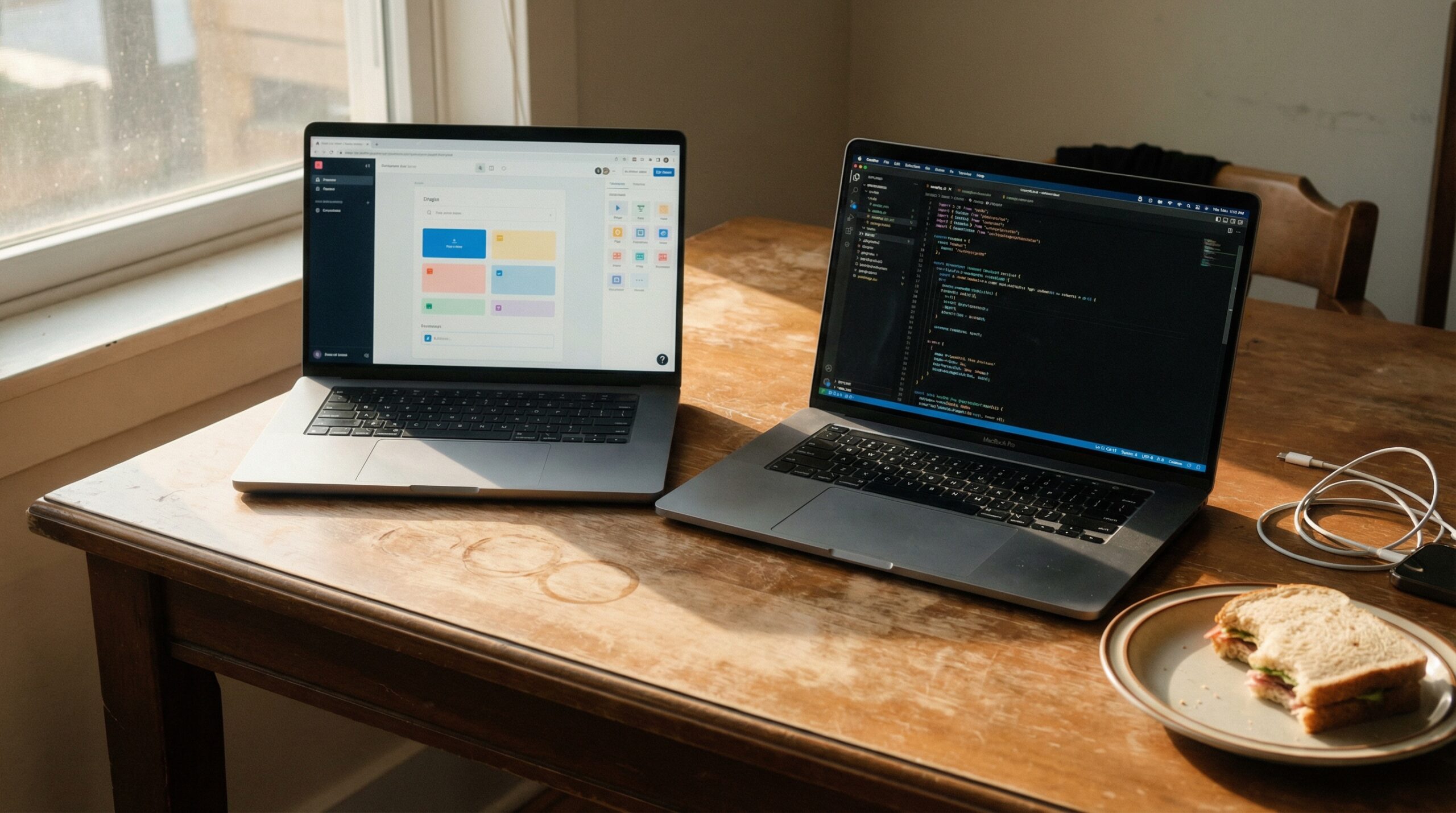
Website Builder vs Hiring a Web Developer: Real Costs Compared

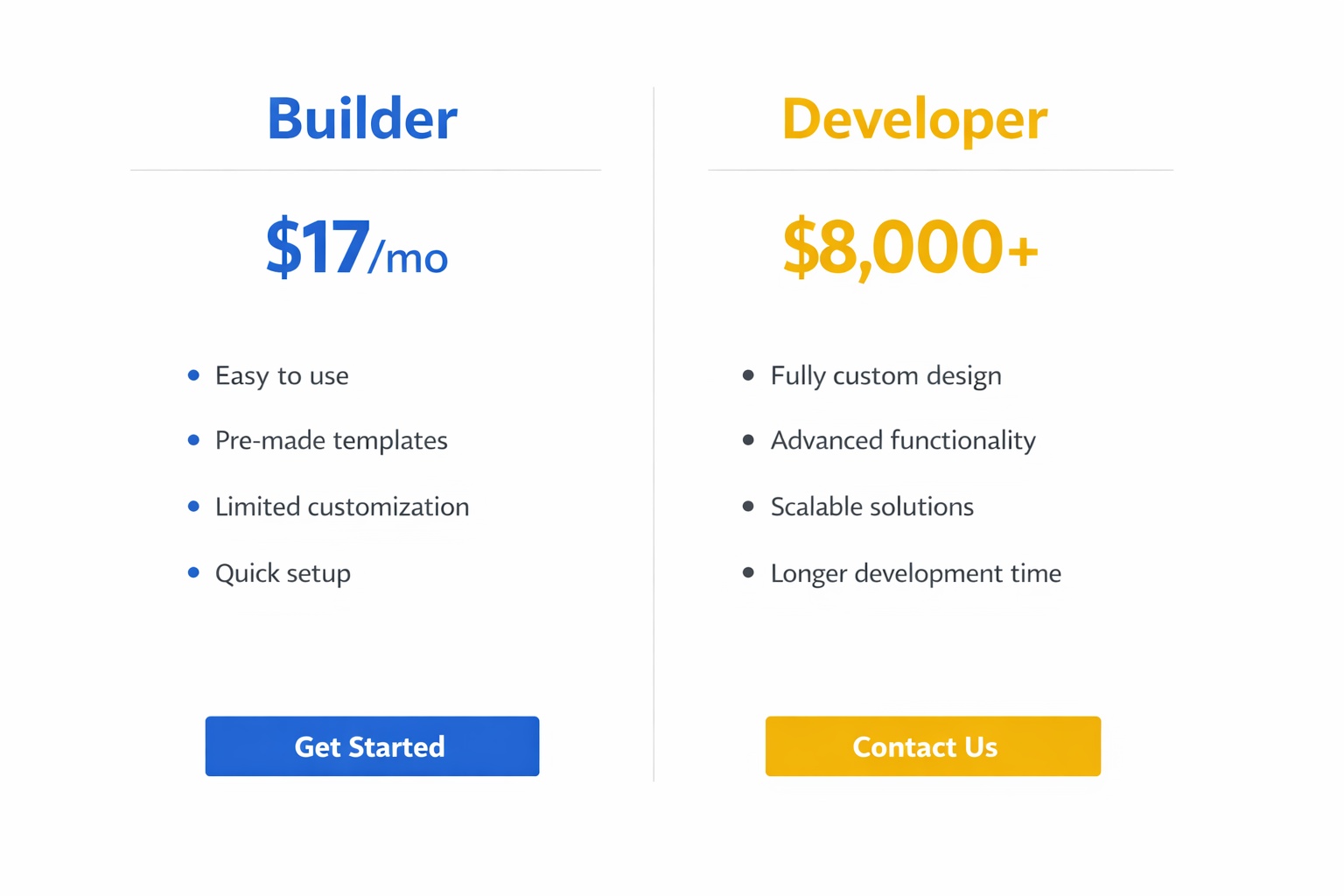
Website builder vs hiring a web developer — one costs $17 a month. The other can cost $8,000 before you see a single page go live. Same business, same five-page site, wildly different paths. That gap isn’t random — and once you understand what’s actually behind it, the right choice for your business usually becomes obvious pretty fast.
Here’s the short version: for most small businesses, a builder is faster, cheaper, and honestly more practical than hiring a developer. But there are situations where a developer is genuinely the right call — and knowing the difference will save you either a lot of money or a lot of frustration.
Quick Answer
For most small businesses — service pages, a portfolio, a contact form, a small online shop — a website builder is the faster, cheaper, and more practical choice. Platforms like Hostinger, Wix, and Squarespace let you publish a professional site in days with zero technical knowledge. A web developer makes sense only when your project needs genuinely custom functionality that no builder can handle — and that applies to a small minority of small business sites.
Website Builder vs Hiring a Web Developer: 5 Key Factors
There’s no single right answer for every business — but these five factors will point you clearly in one direction.
1. Budget
Budget is usually what settles it. A website builder is a predictable monthly subscription — typically $10–$65/month — which bundles hosting, a domain name, templates, and customer support. Over a year, that’s roughly $120–$780 total, with no surprise invoices.
Hiring a developer is a different commitment entirely. A freelance developer typically charges $1,500–$8,000 upfront for a basic business site. A small agency can run $5,000–$35,000 for the same project — and that’s before $50–$300/month in ongoing maintenance.
One important warning: developer quotes vary wildly depending on your country, the developer’s experience level, and your project scope. A quote for $300–$500 almost always reflects severe limitations — a template swap, no SEO setup, no training, no ongoing support. A realistic budget for a capable freelancer starts at $1,500–$2,000 minimum. Never assume the low end of any pricing range applies to your project without a detailed written proposal first.
2. Timeline
How fast do you need to be online? With a website builder, most small businesses can publish a polished, working site in 1–3 days. Many get their first version live in a single afternoon.
Hiring a developer takes significantly longer. Between discovery calls, design briefs, revisions, and development time, most projects take 4–12 weeks — sometimes longer. If you need to launch for an event, a seasonal push, or simply because customers need to find you now, a builder removes that waiting entirely.
3. Customization Needs
Most small business websites need: a homepage, an about page, a services section, a contact form, and maybe a blog. Website builders handle all of this confidently — including appointment booking, basic e-commerce with up to a few hundred products, and simple lead capture forms.
Where builders hit limits is with genuinely complex functionality — custom membership portals, multi-vendor marketplaces, deeply integrated booking systems tied to proprietary databases, or enterprise-level checkout flows. If your site truly needs that, a developer may be the right call. But if you’re running a local service business, a solo consultancy, or a small online store? A builder almost certainly covers everything you need.
4. Ongoing Maintenance
This one catches most business owners off guard. A website isn’t a “build it and forget it” project — it needs security updates, content changes, and occasional fixes over time.
With a builder, maintenance is built into the subscription. The platform handles security patches and software updates automatically. You update your own content through a visual dashboard — no coding required. With a developer-built site, someone has to manage all of this. That usually means paying a monthly retainer of $50–$300/month — or figuring it out yourself.
I’ve been running this blog on Hostinger for over two years. The dashboard is straightforward, updates are automatic, and I’ve never had a support issue I couldn’t resolve quickly. That’s the day-to-day reality of a builder — not a steep learning curve, just a login.
5. Technical Skill
The short version: you don’t need any. Website builders are genuinely designed for people who’ve never touched code. Most platforms offer drag-and-drop editors, pre-built templates, and guided setup wizards. Expect to spend 2–4 hours learning the basics — most people feel comfortable within their first afternoon.
A developer-built site often requires at least some technical comfort to manage the backend. If the idea of logging into a cPanel or managing plugins sounds stressful, a builder is the practical, sensible choice. What most people find when they sit down with a builder for an afternoon: it’s far less intimidating than they expected.
Who Should Use a Website Builder
A website builder is the right choice if any of the following apply:
- You need a site live quickly — days, not months
- Your setup budget is under $1,000
- You want to update your own content without calling anyone
- Your site needs are standard: pages, photos, contact form, booking tool, or a small shop
- You’re a solo operator, local service business, or early-stage startup
- You want predictable monthly costs with no surprise invoices
Platforms like Hostinger, Wix, and Squarespace are solid starting points. For a full breakdown of which builder fits your specific business type — not just which is cheapest — the best website builders for small business guide covers pricing and use cases for each platform.
Not sure which one to pick? The how to choose a website builder guide walks through the decision step by step, built specifically for non-technical business owners.
Who Should Hire a Web Developer
A developer is the better fit in these specific situations:
- Your site needs genuinely custom functionality no builder supports — complex integrations, custom databases, or unique user flows
- You’re building a platform or SaaS product, not a standard business website
- You have a realistic budget of $5,000+ and a timeline of 8+ weeks
- Your revenue model depends on technical features built specifically for you
- You’ve already used a builder for a year or more and have genuinely hit its limits
The honest answer for most local businesses: a builder is your answer. The developer conversation is for a different kind of project entirely. If you’re genuinely unsure, launch with a builder first — you can always bring in a developer later if you hit real limitations. The majority of small businesses never do.
Quick Comparison
Quick reference — scroll horizontally on mobile.
| Website Builder | Web Developer | |
|---|---|---|
| Cost | $10–$65/month | $1,500–$35,000+ upfront |
| Time to Launch | 1–3 days | 4–12 weeks |
| Maintenance | Handled by platform | $50–$300/month retainer |
| Technical Skill | None — drag and drop | Moderate to manage backend |
| Ongoing Costs | Predictable subscription | Manual + paid support |
| Best For | Most small business sites | Complex custom requirements |
Affordable Builder Options Worth Knowing
If you’re leaning toward the builder route — and for most small business owners, that’s the right move — here are three platforms worth looking at.
Hostinger — I’ve run this blog on Hostinger for over two years and it’s been consistently reliable. Clean dashboard, genuinely beginner-friendly setup, and pricing that’s hard to beat. Plans start around $2.99/month (billed annually; renews at approximately $10.99–$16.99/month). Explore Hostinger’s plans and pricing.
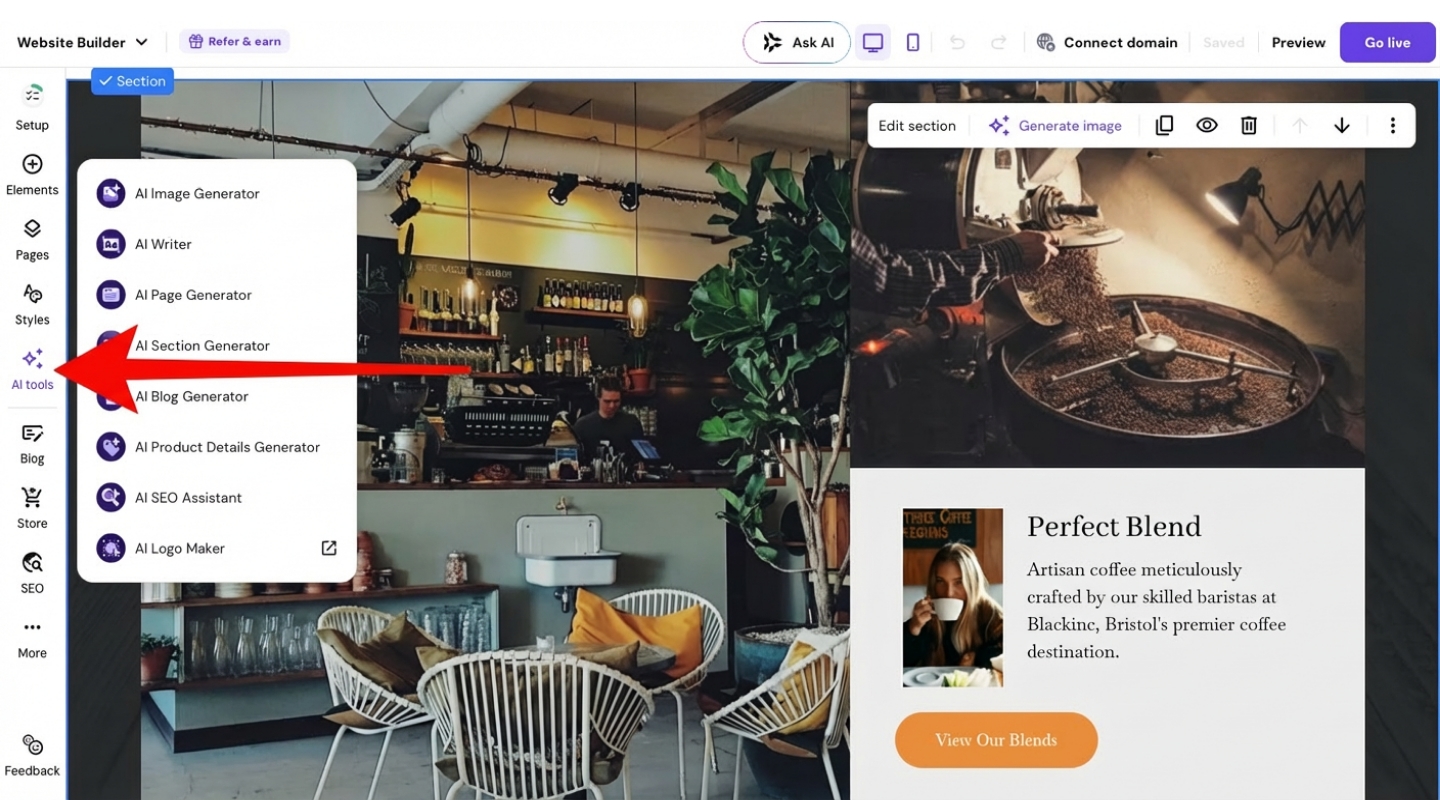
Wix — a flexible all-rounder with a visual drag-and-drop editor and hundreds of templates across every industry. Plans start at $17/month (billed annually). Based on what small business owners consistently report, the editor removes the learning curve faster than most expect. See Wix’s templates and features.
Squarespace — known for clean, design-forward templates that suit service businesses and creatives particularly well. Plans start at $16/month (billed annually). The template quality is consistently the strongest out of the box — that reputation is well-earned. Check Squarespace’s plan options.
Still unsure which platform suits your business? The best website builders for small business guide covers every major option with pricing and use cases side by side.
Common Mistakes to Avoid
Mistake 1: Assuming the cheapest developer quote is realistic
Many business owners get excited finding a developer offering a full site for $300–$500. Those quotes almost always come with severe limitations — a premade template with a logo swap, no SEO configuration, no training, and no ongoing support. A realistic starting point for a capable freelancer is $1,500–$2,000 minimum.
Fix: Ask for a written scope of work before agreeing to any quote. Any trustworthy developer provides one without hesitation.
Mistake 2: Thinking a website builder will look amateur
This used to be true. It isn’t anymore. Modern platforms like Squarespace and Wix produce genuinely professional-looking websites — many are visually indistinguishable from custom-built sites. This catches most people off guard when they browse current template galleries.
Fix: Spend 15 minutes in a Squarespace or Wix template gallery before forming an opinion. The results will probably surprise you.
Mistake 3: Forgetting about ongoing costs when hiring a developer
Many business owners budget carefully for the build but not for what comes after. A developer-built site doesn’t maintain itself — security updates, plugin renewals, and content changes all cost time or money, often both.
Fix: Before signing anything with a developer, ask directly: “What will it cost per month to keep this site running and updated?” Get that answer in writing.
Mistake 4: Overbuilding for features you might need someday
It’s tempting to plan for every possible future function. A $15,000 custom site built for features you might need in three years is almost always overkill for a business that just needs to be findable online today.
Fix: Launch with what you need now. Website builders give you room to grow — and if you genuinely outgrow one, migration is a manageable process, not a disaster.
Next Steps (Do These in the Next 24–48 Hours)
- Write down your budget and your ideal launch date. If you need to be live within two weeks and your budget is under $1,000, a builder is your answer. Those two numbers will make the decision for you.
- Browse two or three builder template galleries. Visit Hostinger, Wix, or Squarespace and spend 15 minutes looking at templates in your industry. Seeing what’s possible with a builder often removes any remaining doubt.
- If you still feel unsure, start with the selection guide. Head to how to choose a website builder for a practical step-by-step walkthrough built for non-technical business owners.
FAQ
Is a website builder always cheaper than hiring a developer?
In almost every case, yes — significantly so. Builders cost $10–$65/month with no upfront fees. A developer typically starts at $1,500 and can reach $35,000+ for a custom site. Over the first two years, the builder path routinely saves thousands of dollars for standard business websites.
Can a website built with a builder look truly professional?
Yes — and most visitors genuinely cannot tell the difference. The visual gap between quality builder templates and custom-designed sites has narrowed to the point where it’s largely irrelevant for standard business websites. Modern platforms like Squarespace and Wix produce results that consistently surprise first-time users.
How long does it take to build a site using a website builder?
Most small business owners can get a working, publish-ready site live in 1–3 days. A more refined version takes a little longer, but most people feel confident with the basics within their first afternoon of exploring the platform.
When does it genuinely make sense to hire a web developer?
When your business needs custom functionality no builder supports — a complex database integration, a multi-vendor marketplace, or a platform-style product. For a standard small business website, a builder handles everything the vast majority of businesses actually need.
Do I need any technical skills to use a website builder?
None. Builders are built specifically for people who’ve never touched code. Expect a learning curve of 2–4 hours, not 2–4 weeks. Drag-and-drop editors and guided setup wizards handle everything.
Why do developer quotes vary so much?
Region, experience level, project scope, and market rates all affect pricing dramatically. A developer in Eastern Europe may quote $1,500 for a project a U.S. agency would quote $25,000 for. Never assume the low end applies to your project without a detailed written proposal.
What if I outgrow my website builder eventually?
Many businesses use builders successfully for years without hitting real limitations. If you do outgrow one, migrating to a more powerful platform or bringing in a developer at that point is a realistic and manageable option — not a crisis. Starting with a builder doesn’t lock you in forever.
What’s the best website builder for a small business just starting out?
That depends on your business type, budget, and how much design flexibility you want. For a full side-by-side comparison with pricing and use cases, visit the best website builders for small business.